
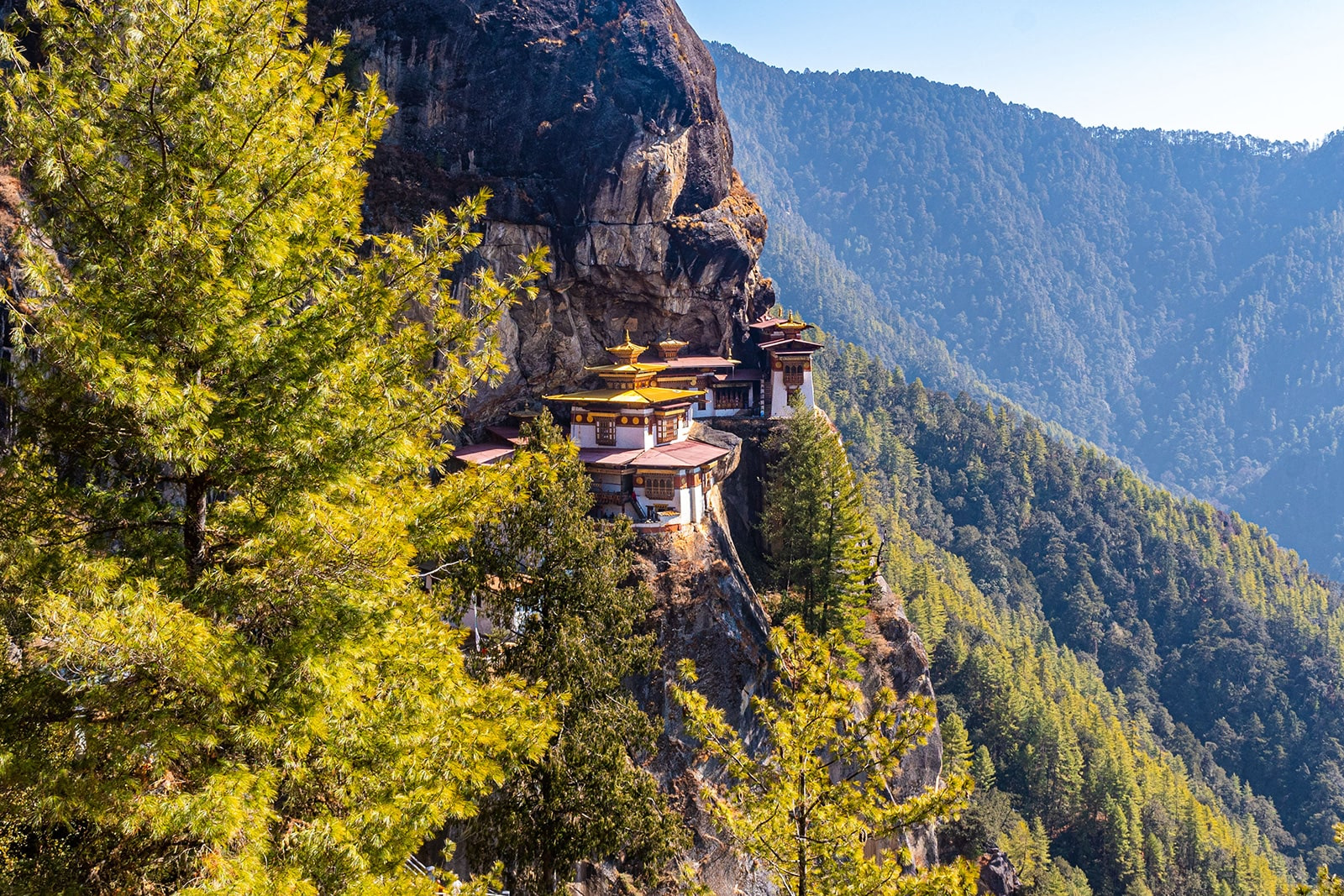
Nestled within a broad Himalayan valley, Paro is where most journeys to Bhutan begin. The moment your aircraft descends through the mountains toward Paro International Airport, you understand why this valley holds such a special place in Bhutanese life. Forested ridges rise gently above traditional farmhouses, prayer flags flutter along the riverbanks, and centuries-old monasteries watch quietly from the cliffs.
Paro is not only Bhutan’s aviation gateway. It is also one of the country’s most historically and culturally significant valleys, where sacred temples, majestic dzongs, and traditional Bhutanese homes continue to shape daily life much as they have for generations.
For many travellers, Paro becomes far more than an arrival point. It is where the rhythm of Bhutan reveals itself for the first time.
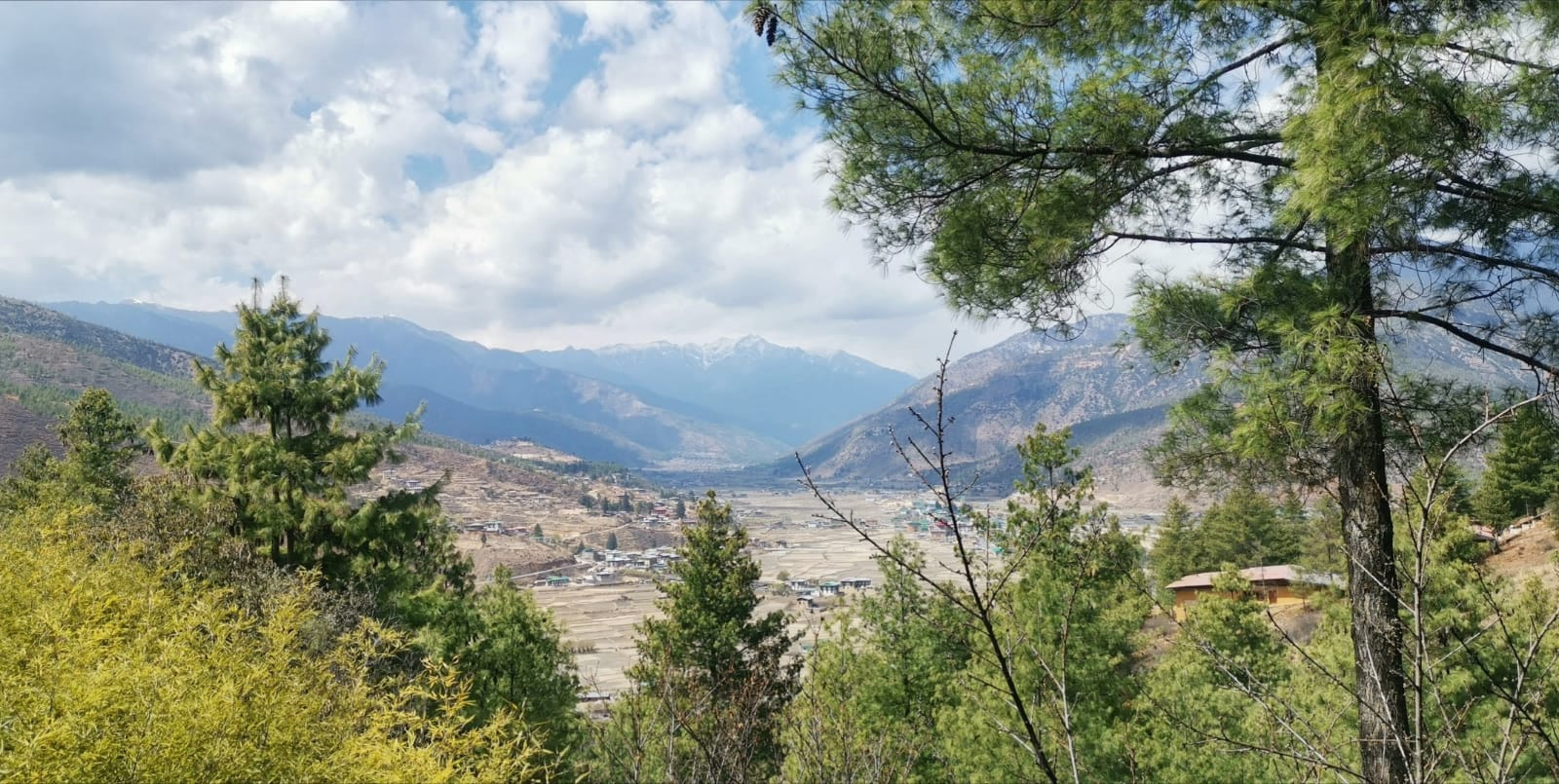
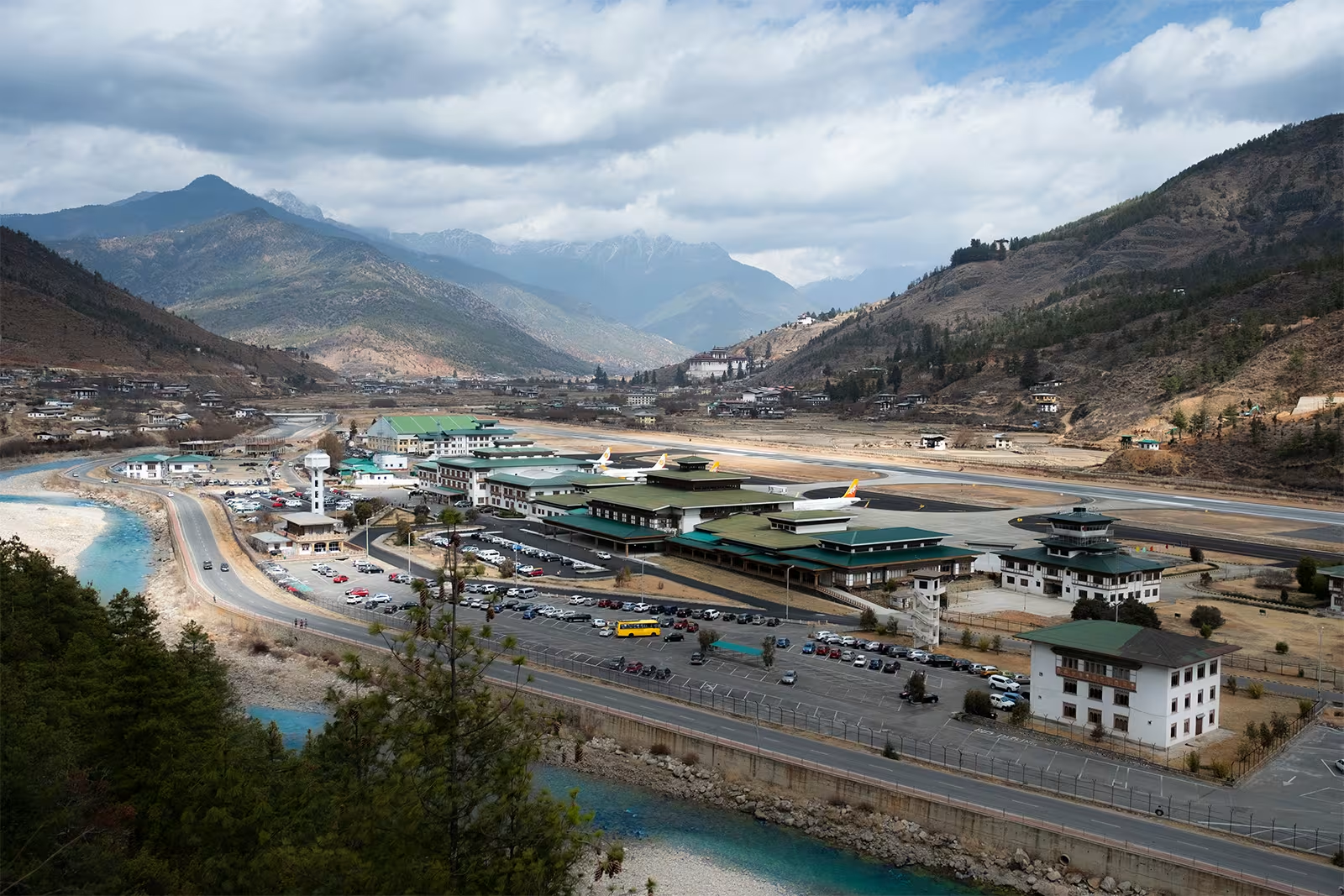
Paro International Airport is Bhutan’s only international airport and one of the most remarkable aviation approaches in the world. Surrounded by Himalayan peaks rising above 5,000 metres, aircraft navigate carefully through the valley before landing on the runway beside the Paro Chhu river.
Only specially trained pilots are certified to operate flights into Paro, making the arrival itself an unforgettable part of the journey.
From here, visitors immediately enter a different pace of travel. Immigration is efficient and calm, luggage arrives quickly, and outside the terminal the fresh mountain air signals the beginning of a journey through Bhutan’s landscapes and culture.
Although modest in size, Paro International Airport offers a surprisingly pleasant and comfortable experience for travellers arriving in Bhutan. Designed in traditional Bhutanese architectural style, the airport blends modern functionality with cultural aesthetics, giving visitors their first glimpse of the kingdom’s artistic heritage.
Unlike large international airports, Paro’s terminal is calm, easy to navigate, and rarely crowded. This allows travellers to move through arrival and departure procedures smoothly while enjoying the relaxed pace that Bhutan is known for.
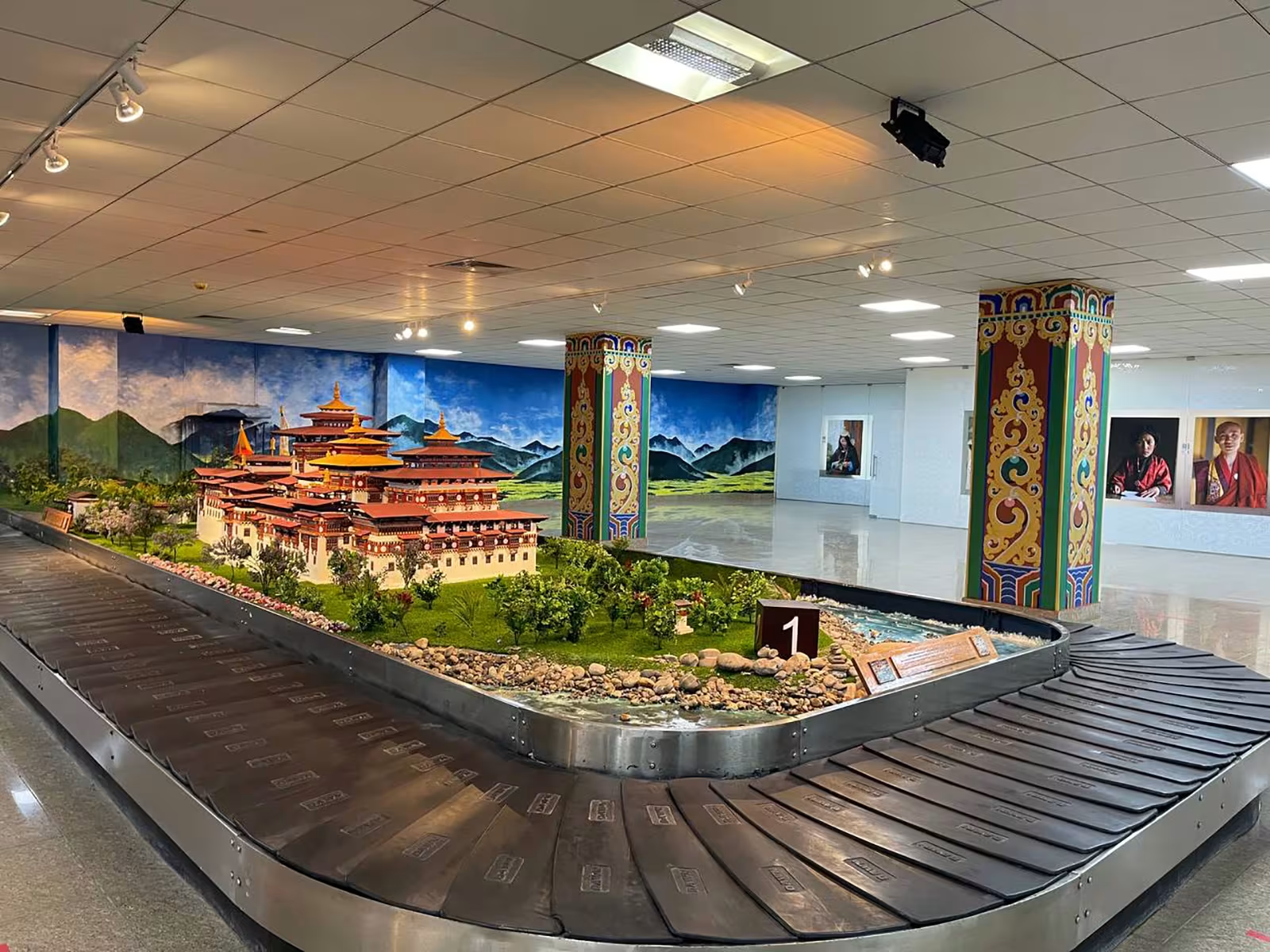
Beyond its role as Bhutan’s aviation gateway, Paro International Airport also quietly doubles as a cultural showcase. The terminal itself feels almost like a small art gallery, reflecting Bhutan’s deep appreciation for craftsmanship and symbolism.
The airport features clean and spacious waiting areas where travellers can relax before their flights. Large windows overlook the runway and surrounding mountains, allowing passengers to watch aircraft arrive and depart against the dramatic Himalayan backdrop.
Inside the terminal, travellers will find several small shops offering duty-free items and Bhutanese souvenirs. Popular purchases include traditional handicrafts, prayer flags, local textiles, and Bhutanese products that make meaningful keepsakes from the journey.
Simple cafés within the airport offer snacks, tea, coffee, and light refreshments. Bhutanese butter tea, coffee, and small bites are available for travellers looking to relax while waiting for boarding announcements.
Currency exchange counters are available for travellers who wish to convert foreign currency into Bhutanese Ngultrum. ATMs are also available within the terminal for added convenience.
Find out more about the Ngultrum and foreign exchange services in Bhutan.
Free Wi-Fi is available in the terminal building, allowing passengers to check messages, connect with family, or share their arrival in Bhutan before continuing their journey.
Immigration procedures at Paro are typically efficient due to the airport’s smaller scale. Baggage claim areas are located close to the arrival hall, enabling travellers to exit the airport quickly and begin their Bhutan experience.
Outside the arrival hall, travellers are greeted by tour guides and hotel drivers ready to transfer guests to their accommodation. Most visitors arriving in Bhutan are welcomed here before beginning their journey through the country.
As you walk through the airport, you will notice traditional Bhutanese murals, intricate wood carvings, and vibrant painted motifs adorning pillars and walls throughout the building. These artworks often depict sacred Buddhist symbols, protective deities, and traditional patterns that have been preserved in Bhutanese architecture for centuries.
One of the most charming corners of Paro International Airport is its small yet thoughtfully curated bookstore. While the airport itself is compact, the bookstore offers travellers a delightful glimpse into Bhutan’s culture, spirituality, and history before they even step outside the terminal. The shelves feature a carefully selected collection of titles about Bhutan, the Himalayas, Buddhism, and Bhutanese traditions.
Travellers often browse books on Bhutanese art, photography, meditation, Gross National Happiness, and the kingdom’s unique development philosophy. For those who enjoy travel literature, the bookstore is also a wonderful place to discover beautifully illustrated guides and coffee table books that capture the landscapes and heritage of Bhutan.
Paro is one of Bhutan’s most historic valleys. The district preserves centuries of Bhutanese heritage through its monasteries, temples, and traditional architecture.
Along Paro’s main street, intricately painted wooden buildings house small family shops, cosy cafés, handicraft stores, and restaurants serving Bhutanese and international cuisine. The town offers a relaxed atmosphere where travellers can stroll, shop for local crafts, or simply watch everyday Bhutanese life unfold.
Several of Bhutan’s most important cultural landmarks are located here.
Rinpung Dzong stands dramatically above the Paro valley. Built in the 17th century, this magnificent fortress-monastery houses both monastic and administrative offices. Its massive white walls and ornate wooden galleries are among Bhutan’s most recognisable architectural icons. The dzong also gained international recognition when scenes from the film Little Buddha were filmed here.
Just a short drive from town lies Kyichu Lhakhang, one of Bhutan’s oldest temples. Dating back to the 7th century, it was built by Tibetan King Songtsen Gampo as part of a network of sacred temples across the Himalayas. The temple remains a deeply spiritual place where butter lamps flicker and pilgrims quietly circumambulate the courtyard.
No visit to Paro is complete without witnessing the breathtaking Taktsang Palphug Monastery, widely known as Tiger’s Nest.
Perched dramatically on a cliff 900 metres above the valley floor, the monastery is one of Bhutan’s most sacred pilgrimage sites. According to legend, Guru Padmasambhava flew to this location on the back of a tigress and meditated in the caves here during the 8th century.
The hike to Tiger’s Nest is one of Bhutan’s most rewarding experiences. The trail winds gradually through pine forests draped in prayer flags before revealing the monastery clinging to the cliffside, a sight that has become synonymous with Bhutan itself.
Paro offers a range of accommodation options that combine comfort with traditional Bhutanese design. From welcoming mid-range lodges to world-class luxury resorts, most properties are tucked quietly into the surrounding hills overlooking the valley.
Many hotels incorporate Bhutanese craftsmanship into their architecture, featuring carved wooden windows, hand-painted motifs, and warm interiors designed to reflect Bhutan’s heritage.
Travellers staying in Paro enjoy easy access to cultural sites, scenic hiking trails, and panoramic views of the surrounding mountains.
Bhutan Travelog - Bhutan Travel Guide Book
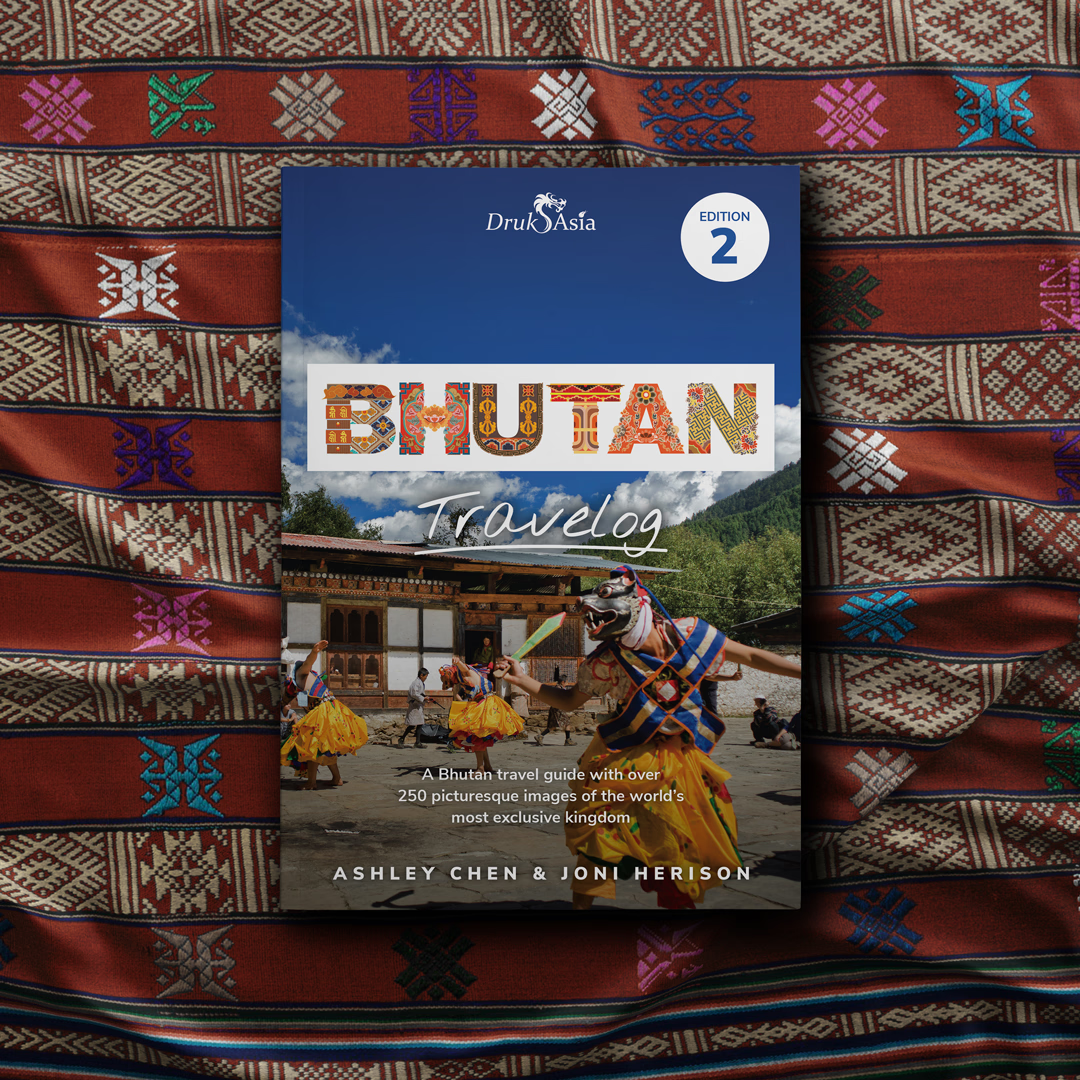
The most pictorial travel guide book to Bhutan. With over 250 stunning images of the most exclusive Kingdom in the world.
Written by two individuals who have a deep affinity for the Kingdom and have travelled to Bhutan for over thirty times collectively.
Want to know more about Bhutan?
Every year, Paro Tshechu takes place in the Paro Valley of Bhutan, hosted within Paro Dzong, an ancient fortress-turned-monastery that serves as the focal point of religious activities in the country. Paro Tshechu typically falls in the spring months during the month of March or April, following the 10th day of the second month of the Bhutanese calendar. Regarded as the holiest among Tshechu Festivals, the festivities span five days, offering a vibrant spectacle that unites Bhutanese people from diverse backgrounds.
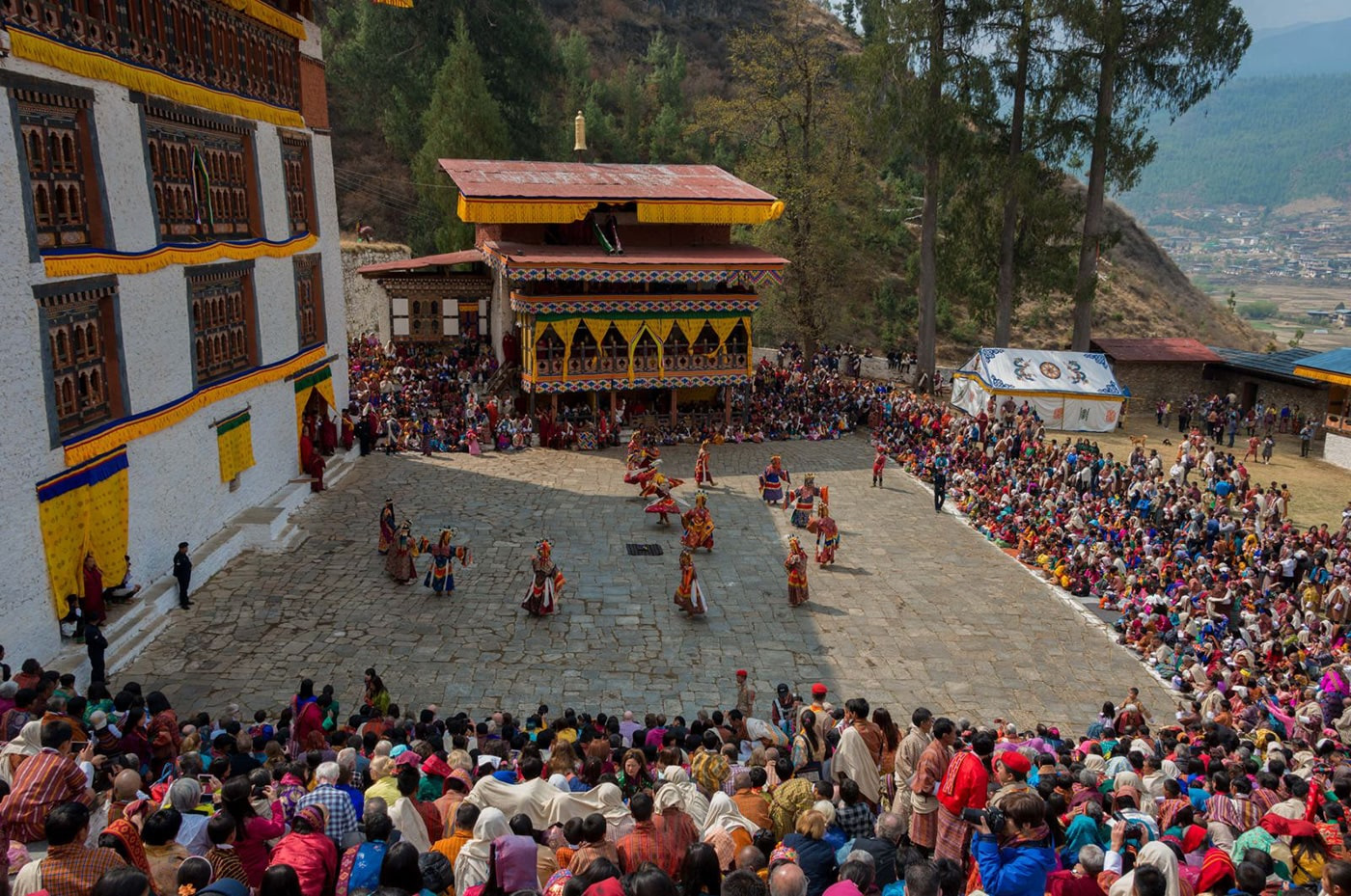 BOOK A PARO TSHECHU TOUR
Looking to organise MICE in a unique destination? Look no further than Bhutan!
Why is Bhutan an excellent destination for MICE?
On 23 January 2024, the Department of Tourism (DOT) Bhutan announced a new initiative to support the Meetings, Incentives, Conferences, and Exhibitions (MICE) sector. Organisers of MICE events are now eligible to apply for a waiver of Bhutan’s daily Sustainable Development Fee (SDF), a move designed to bolster one of the most significant revenue streams of the tourism sector.
FIND OUT MORE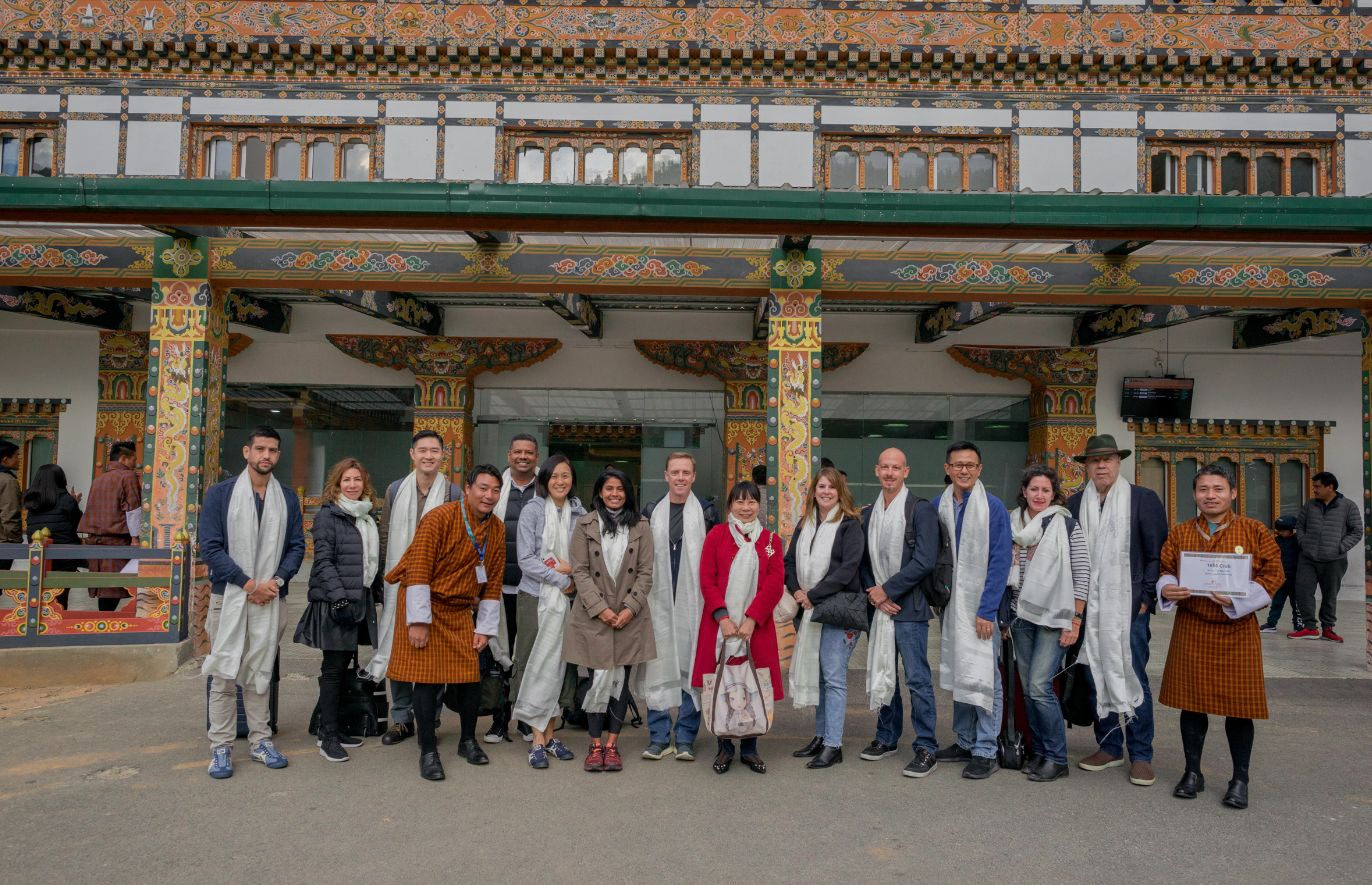
Are you dreaming of a journey that gently unravels the tapestry of Bhutan’s living heritage over ten soul-enriching days? Our 10‑Day Discover Bhutan Cultural Tour is a carefully...
Read moreThis luxury Bhutan itinerary is a preliminary draft, thoughtfully crafted to inspire your journey through the Land of the Thunder Dragon. However, every traveller is unique—and so...
Read moreHave you ever longed to step into a land where tradition reigns supreme, the air is steeped in prayer flags and ancient melodies, and every mountain pass feels like walking through...
Read more